Git Branching & Release Standard
Version: 1.0 Applies to: All development teams and repositories Environments: DEV, UAT, PROD 1. Branch Structure We use the following permanent branches: main dev uat prod Temporary branches: feature
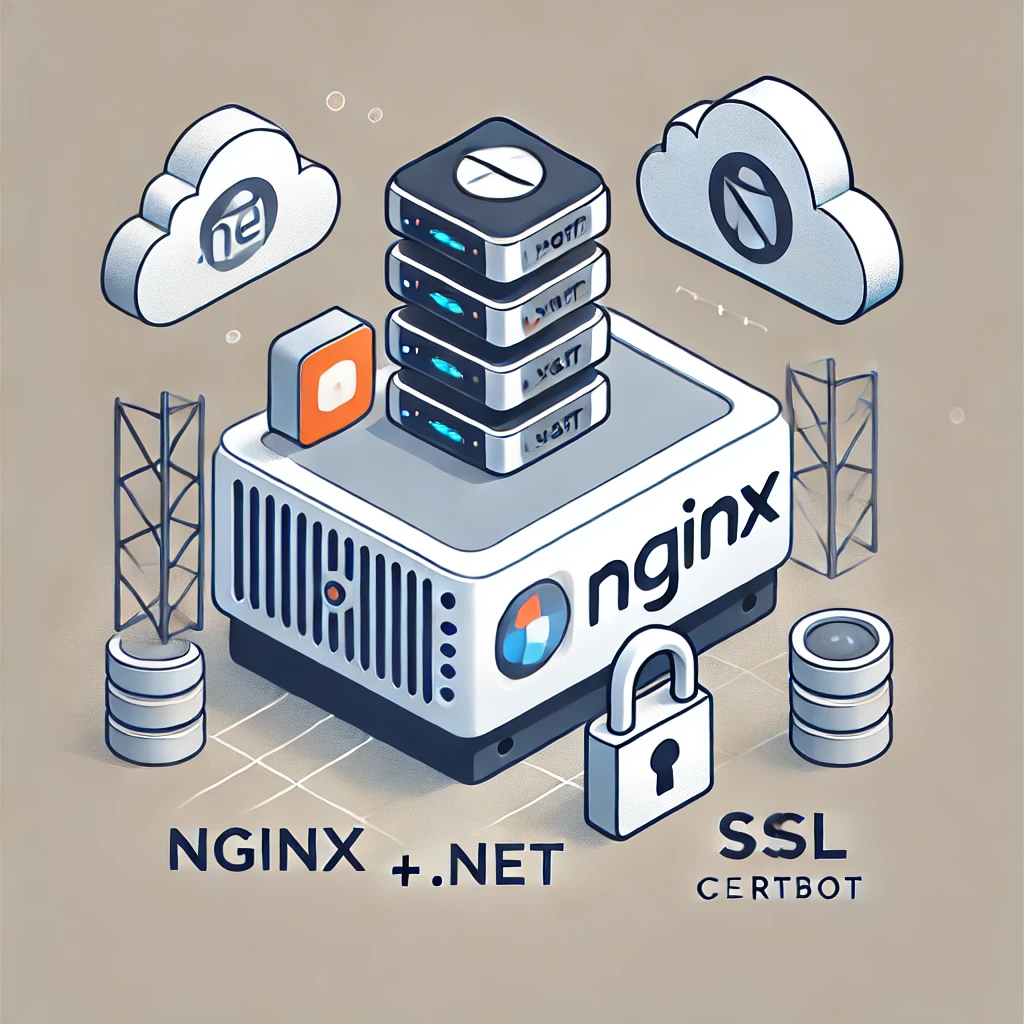
In this article, we’ll cover a comprehensive guide to setting up Nginx as a reverse proxy for a .NET application, running it over HTTP initially, and then adding SSL encryption with a free certificate from Let’s Encrypt using Certbot. We’ll also disc...

Introduction In the .NET ecosystem, HttpClient is the go-to tool for making HTTP requests to web services. However, despite its simplicity, improper usage can lead to significant issues such as socket exhaustion and poor performance. In this article,...
The trigger is a function that invokes automatically when an event associated with a table occurs like an update, delete, or insert. Triggers can be defined to execute either at the statement level or the row level. Statement-level triggers: Stateme...
Introduction In modern web development, as applications scale, the need for efficient routing, load balancing, and reverse proxying becomes crucial. A reverse proxy can be a game-changer, helping to manage traffic, improve performance, and add an ext...
In today's world of API-driven architectures, ensuring the stability, security, and availability of services is paramount. One essential tool for achieving this is rate limiting. Rate limiting helps you control the amount of incoming traffic to your ...
Cancellation Token in .NET: A Practical Guide Cancellation tokens are a powerful feature in .NET that allow you to manage and gracefully cancel long-running tasks. Whether you're dealing with API requests, database operations, or any asynchronous pro...